

Nota editorial (2025): publicado originalmente en 2020. Se añadió una versión estructurada con fines enciclopédicos. El texto original se conserva íntegro como parte del archivo histórico.
Understanding and Combating Misinformation Amidst the Pandemic
In these days of crisis brought on by the COVID-19 pandemic, it is critical to comprehend our propensity for believing unverified information. From satellites capturing global events since their inception, society has come to rely heavily on instant communication and interpretation.
- The relentless flow of real-time data can easily distort facts into misinformation if not checked for credibility
- Social media platforms accelerate the dissemination without a significant delay in fact verification, leading to widespread acceptance and amplification of false information.
The critical role played by technology during times like these cannot be understated. While it has made real-time communication possible, the ease with which misinformation can spread is concerning for society’s ability to discern truth from fiction—especially when urgency supersedes skepticism.
The Impact of False Information
- False information has led people to question the origins and implications surrounding COVID-19, spawning conspiracy theories about its creation in a lab or being linked with soy products.
- Urgent behaviors like avoidance of public spaces due to unfounded fears demonstrate how potent misinformation can be when it taps into societal anxieties.
The Role of Fact-Checking and Unbiased Reporting
Fact-checkers have emerged as pivotal in sifting through the torrent of information, providing analysis that helps distinguish fact from fiction. The need for a rigorous approach to verifying facts is more pressing than ever before.
The European Union’s Influence
- In Europe and beyond, the EU has shown leadership in addressing health crises through collective action based on scientific evidence rather than misconception or unfounded claims.
- The implementation of a code for digital platforms to identify fake accounts is crucial. However, its effective application holds great significance during pandemics where public behavior and policy are deeply influenced by the spread of information—both true and false alike.
Confronting Misinformation: Moving Forward
Within Europe, various initiatives have been put forth to enhance media literacy and critical thinking skills as part of a broader strategy against misinformation. These include educational programs that stress the importance of questioning sources and seeking out evidence before accepting information as fact.
The Pledge Against Disinformation
- Education, media literacy initiatives by European entities like Maldita.es (European Counter-Disinfo Centre), and independent organizations contribute to a more discerning public that can resist the spread of false narratives.
- Collaborative efforts between governments, educational institutions, technology companies, and civil society groups are critical in creating an informed citizenry capable of making well-founded decisions during health emergencies like COVID-19
end=»»>
Preguntas frecuentes
Texto original (2020)
En estos días difíciles por la pandemia del COVID-19, el flujo constante de información puede convertir contenidos no fundamentados en desinformacín. Desde los primeros informes satelitales sobre eventos globales hasta las decisiones políticas impactantes, comprender nuestra propensión a asumir lo que escuchamos o vemos como verdad es crucial para la reflexína y el pensamiento crítico en tiempos de crisis.

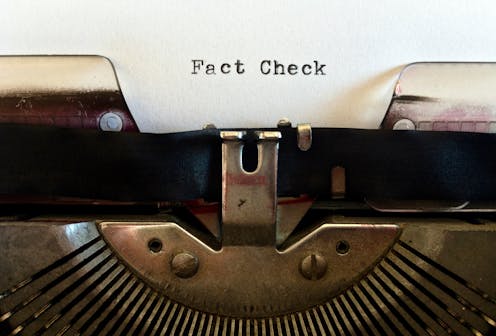
Dallasetta / Shutterstock
En estos días, la información fluye como un reguero entre los ciudadanos. Por lo tanto, es importante saber que un contenido no fundamentado puede convertirse en desinformación.
Desde la eclosión del uso de los satélites para la comunicación, cualquier hecho o acontecimiento lo vivimos en directo. Tenemos la información en tiempo real, la recibimos, la interpretamos y la compartimos. Con la llegada de las redes sociales, esta inmediatez ha ganado el pulso a la reflexión y al pensamiento crítico.
No cuestionamos las imágenes, los sonidos o los comentarios que nos llegan y en la mayoría de las ocasiones, tampoco sabemos cuál ha sido la veracidad del contenido o la fuente que ha generado esta información.
La información ha tenido, a lo largo de la historia, un papel muy relevante para la sociedad. Sin embargo, en momentos de crisis como la del COVID-19, un mal uso puede convertirse en un problema de gran impacto. En este contexto, las plataformas tecnológicas y los verificadores (fact checkers) se convierten en un elemento esencial para la búsqueda de la verdad.
¿No será esto una conspiración?
¿Qué puede gustar más que una buena trama?: ¿no será esto una conspiración?, ¿estará detrás Estados Unidos?, ¿será una guerra comercial?, ¿se trata de una sofisticada y aleatoria manera de controlar la población?, ¿qué agente extraño ha podido dar lugar a esta forma de neumonía? ¿desaparecerá con el calor?
En este contexto es donde la desinformación encuentra un espacio perfecto para su transmisión. No es la falta de ética la que lleva a inventar historias, tampoco el desconocimiento del daño que estas puedan causar, sino la sofisticación que se esconde cuando estos bulos, bien armados y mejor dirigidos, hacen que confundamos la verdad con la mentira.
Hay que pararse a reflexionar
La verificación que se hace de la información que recibimos, por lo general, es reducida. No hacemos fack checking si lo hemos recibido de un familiar o un amigo, si lo hemos visto en la televisión o lo hemos escuchado en la radio. Al no cuestionarnos la información y no detenernos a reflexionar, no solo hacemos eco, sino que nos la creemos y reforzamos convirtiéndonos en un agente más de la desinformación.
El miedo a entrar en un establecimiento regentado por chinos o no sentarnos en el metro junto a un asiático han sido algunos de los comportamientos con los que hemos recibido e interpretado la información sobre el COVID-19 en sus comienzos a finales del 2019.
Desde la afirmación de que el ibuprofeno acentúa los efectos del coronavirus y su recomendación de interrumpir su pauta posológica, hasta la supuesta “predicción” de Nostradamus, en 1555, con respecto de la aparición del COVID-19. Todo ello, pasando por otras informaciones tales como que el virus se creó en un laboratorio de Wuhan para reducir la población o que el té y otras infusiones evitan la infección por el virus, de igual manera que ocurriría si tomas cítricos asiduamente.
La influencia de la desinformación sobre nuestras costumbres, toma de decisiones y percepción de la realidad, hace necesaria una tarea rigurosa de investigación y análisis en profundidad.
En las últimas semanas, tanto en España como en otros países se han puesto en marcha medidas o planes de actuación iniciados por los gobiernos, instituciones u organismos oficiales. Pero ¿qué papel juega la UE en este contexto?
Es necesaria la unión entre países
Es importante no retroceder en el afianzamiento de la unión entre los países, estableciendo una política común, unas directrices, una visión conjunta y un plan colaborativo. Estamos en un momento en que los ciudadanos necesitamos referencias, información veraz, solidaridad y acciones coordinadas internacionalmente para reducir el impacto social y económico. En este contexto, Europa y las instituciones europeas como la Comisión Europea juegan un papel importante.
La Unión Europea ya creó en 1998 una red para la vigilancia epidemiológica y, más tarde, el Comité de Seguridad Sanitaria. Por otra parte, el artículo 168 del Tratado de Funcionamiento de la Unión Europea dispone, entre otras cosas, que “se ha de garantizar un alto nivel de protección de la salud humana”. Este mismo artículo establece que “la acción de la Unión ha de complementar las políticas nacionales, abarcar la vigilancia de las amenazas transfronterizas graves para la salud, la alerta en caso de dichas amenazas y la lucha contra ellas, y que los Estados miembros, en colaboración con la Comisión, han de coordinar entre sí sus políticas y programas respectivos en los ámbitos en los que la Unión ejerce una acción en materia de salud pública”.
Dentro del Plan de lucha contra la desinformación, la Comisión Europea aprobó en 2018 un Código de buenas prácticas en el que se exige a las plataformas digitales la identificación de cuentas falsas y de las interacciones no humanas (bots). La contundente aplicación de este código es imprescindible en estos momentos y circunstancias en los que lo que está en juego es la salud de las personas, especialmente mayores y con enfermedades crónicas.
El problema que supone la infección por COVID-19 para la población general y el alto riesgo para salud de las personas mayores y enfermos crónicos, sumado al impacto socioeconómico y laboral, ha hecho que las instituciones europeas hayan puesto el foco en la gestión de la crisis desde una perspectiva global.
La ayuda sanitaria, el suministro de material, el apoyo a las instalaciones hospitalarias y la financiación para el desarrollo de una vacuna se encuentran entre las prioridades de Europa, y en el marco del Pacto de Estabilidad y Crecimiento están el empleo, las empresas o la economía.
El Pacto Mundial de las Naciones Unidashace un llamamiento a las empresas para que apoyen a los afectados por el actual brote de COVID-19 a través de tres principales aspectos: prudencia, ciencia y hechos.
Las noticias falsas, los bulos o informaciones distorsionadas y la rapidez con la que pueden propagarse en situaciones de crisis, constituyen un reto cada vez mayor para la sociedad y parar las instituciones europeas y gubernamentales.
Cómo contrarrestar el fenómeno
La educación, la alfabetización mediática, el compromiso de los gigantes tecnológicos y las redes de fact checkers son el mejor antídoto contra la desinformación en línea.
En España, el Observatorio Europeo de análisis y prevención de la Desinformaciónen colaboración con la Representación de la Comisión Europea en España y la Dirección de la Oficina de Información del Parlamento Europeo, y la Fundación Maldita.es actúan como catalizadores activos para analizar, desde diferentes áreas, el impacto de la desinformación en la actividad pública, mediática, social y política. De ahí la necesidad de investigar el fenómeno y hallar maneras de contrarrestarlo para mejorar nuestra calidad democrática.
La mejor manera de luchar contra la desinformación es, precisamente, la educación, el pensamiento crítico, la formación y la investigación. La búsqueda de la verdad, así como el cuestionar afirmaciones, ver más allá de las imágenes, reflexionar sobre los motivos o analizar el impacto son ejercicios que toda persona debería realizar.
Este artículo ha sido realizado con la colaboración de Ramón Luis Valcárcel Siso, presidente del Comité de Expertos del Observatorio Europeo de Análisis y Prevención de la Desinformación.


Silvia Carrascal es miembro del Observatorio Europeo de análisis y prevención de la Desinformación, ObEDes. Entidad sin ánimo de lucro cuyo objetivo principal es poner el valor la educación como herramienta clave para la prevención, detección y análisis de la desinformación, promoviendo el desarrollo del pensamiento crítico, la colaboración y la convivencia.
Asela Pintado Sanz no recibe salario, ni ejerce labores de consultoría, ni posee acciones, ni recibe financiación de ninguna compañía u organización que pueda obtener beneficio de este artículo, y ha declarado carecer de vínculos relevantes más allá del cargo académico citado.
Fuente: The Conversation (Creative Commons)
Author: Silvia Carrascal, Docente e Investigadora en Facultad de Educación y Formación de Profesorado, UCM, Universidad Complutense de Madrid