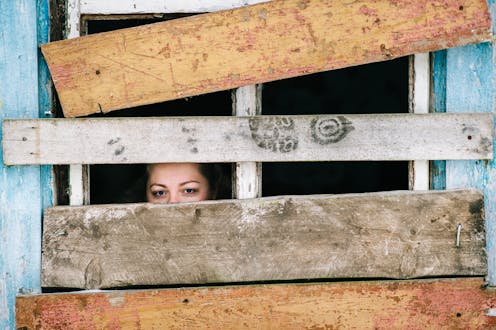
Maneras de salir (o no) del confinamiento: entre el miedo y la irresponsabilidad
LoQueSigue.tv
Nota editorial (2025): publicado originalmente en 2020. Se añadió una versión estructurada con fines enciclopédicos. El texto original se conserva íntegro como parte del archivo histórico.
Adaptation to Confinement: Emotional and Social Implications
Adaptation to Confinement: Emotional and Social Implications
Tabla de contenido:
In this article, we examine the various aspects of isolation and its impact on our emotional well-beinr and social interactions. From a release in discontentment due to prolonged confinement all the way through witnessing significant decreases in suicide rates and psychiatric emergencies during initial lockdown periods, this exploration delves into how different responses have materialized.
Beneficial Outcomes: Initially, the widespread implementation of confinement measures led to a notable decline in suicide rates and psychiatric emergency visits. Individuals who were habitually bullied found relief from their ordeals during this period.
Challenges for Different Demographics: While some individuals thrived by engaging in reading, watching series and maintaining family relationships within the confinement space—activities they previously struggled to fit into their busy lives—others faced hardships. Those who rely on continuous social interaction or mobility found themselves grappling with an excess of solitude.
Objective Resistance: Particularly, some younger individuals resisted leaving the confinement due to fears of rejection they encountered in their initial exposure. This has contributed to a reluctance towards embracing ‘new normality’. Others exhibited resistance based on health concerns and mistrust toward available medical advice or potential vaccines, leading them to prioritize personal safety over social liberation.
Adaptive Behaviors: Despite apprehensions about the virus’s impact—fear of infection heightened by witnessing death and panic around adult responses at home or media exposure. There exists a pre-existing anxiety often rooted in childhood experiences with mortality, which can manifest more acutely during such crises.
‘Old Normal’ Resurgence: Individuals accustomed to hostile environments experienced confinement as an extension of their familiar ‘old normal’, where perception and reality blur due to fear-driven realities. This has resulted in a heightened state of permanent alertness, with the return to preconfinement conditions potentially resembling past negative experiences.
‘Unknown Drivers’: The phenomenon where some individuals disregard health advisories and protocols remains perplexing. It raises questions about whether this behavior stems from a carefree desire to live without restrictions or indicates deeper, unrecognized impulses driving their actions.
The article also discusses the psychological underpinnings of our struggle with confinement and its aftermath. Drawing on psychoanalytic insights from Freud’s observations during wartime, Lacan later termed this destructive drive as ‘jouissance’. This concept aligns well with current experiences where societal pressures to return to normalcy might exacerbate underlying psychological conflicts.
Conclusion
The exploration of these dynamics surrounding the emotional and social consequences of confinement unveils a complex picture. The fears, mistrusts, and behaviors arising from this collective experience point to deeply rooted psychological patterns that continue to shape our responses in times of crisis.
Preguntas frecuentes
«`html
FAQs: Adaptation to Confinement – Emotional and Social Implications
05) What initial beneficial outcomes were observed due to confinement measures? Ans Initially, the widespread implementation of confinement measures led to a notable decline in suicide rates and psychiatric emergency visits. Individuals who were habitually bullied found relief from their ordeals during this period.
Q: How did different demographics react to the challenges of confinement? Ans While some individuals thrived by engaging in reading, watching series and maintaining family relationships within the confinement space—activities they previously struggled to fit into their busy lives—others faced hardships. Those who rely on continuous social interaction or mobility found themselves grappling with an excess of solitude.
Q: What forms of resistance did younger individuals exhibit towards confinement? Ans Particularly, some younger individuals resisted leaving the confinement due to fears of rejection they encountered in their initial exposure. This has contributed to a reluctance towards embracing ‘new normality’. Others exhibited resistance based on health concerns and mistrust toward available medical advice or potential vaccines, leading them to prioritize personal safety over social liberation.
Q: What adaptive behaviors emerged in response to the virus’s impact? Ans Despite apprehensions about the virus’s impact—fear of infection heightened by witnessing death and panic around adult responses at home or media exposure. There exists a pre-existing anxiety often rooted in childhood experiences with mortality, which can manifest more acutely during such crises.
Q: How did the ‘old normal’ resurface for individuals accustomed to hostile environments? Ans Individuals accustomed to hostile environments experienced confinement as an extension of their familiar ‘old normal’, where perception and reality blur due to fear-driven realities. This has resulted in a heightened state of permanent alertness, with the return to preconfinement conditions potentially resembling past negative experiences.
‘Unknown Drivers’? Q: What drives some individuals to ignore health advisories and protocols during confinement measures?> Ans The phenomenon where some individuals disregard health advisories and protocols remains perplexing. It raises questions about whether this behavior stems from a carefree desire to live without restrictions or indicates deeper, unrecognized impulses driving their actions.
«`
Texto original (2020)
En este artículo, exploramos las múltiples facetas del aislamiento y cómo afecta nuestras vidas emocionales y sociales. Desde la liberación de descontentos hasta el temor implacable que evita ciertos comportamientos, analizamos cómo estilos diversos han surgido como respuesta al confinamiento prolongado por motivos tales como prejuicios personales o una percepción alterada del peligro.
En la desescalada, son muchos los que han descubierto que no se estaba tan mal confinados. Durante las primeras semanas de enclaustramiento hasta hubo un descenso notable de la tasa de suicidios y las urgencias psiquiátricas. Las víctimas del bullying se sintieron aliviadas, al igual que todas las personas extremadamente susceptibles o con fobia al contacto social. Incluso una buena parte de los que se consideran “normales” lo llevaron muy bien: leyeron, vieron series, ordenaron sus cosas, hablaron con la familia… Cosas que antes sus ajetreadas vidas les impedían hacer.
Otros, en cambio, fundamentalmente aquellos cuyos modos de satisfacción exigen la presencia continua del otro y la movilidad, sufrieron más de la cuenta y tuvieron que transgredir las medidas de confinamiento para aliviar la angustia de su encierro.
¿Por qué entonces ese aparente miedo a salir, si todo –como nos dicen– será normal y, además, nuevo? ¿Qué de lo “viejo” nos seguirá acompañando, en forma de temores o expectativas?
Objeción a la ‘nueva normalidad’
Hace unas semanas que empezamos a dejar atrás el confinamiento para salir a la calle, y en ese tiempo hemos constatado estilos diferentes. Los hay que hacen objeción a las nuevas modalidades del lazo social, al distanciamiento que los aleja del otro y los deja solos con su marca. Alina, de 14 años, no quiere salir porque –me dice- lo hizo el primer día y sólo encontró miradas de rechazo, gente que se apartaba de su lado como si fuera una apestada. Es consciente de que es una sensación subjetiva, pero prefiere no volver a esa “nueva normalidad”.
Otros se resisten a salir por el miedo al contagio y a la muerte. No confían en producir suficientes anticuerpos para frenar el embate del virus. Es el caso de Sofía, de 75 años y con una salud delicada, que ha visto morir demasiada gente de su generación, antes de la COVID-19 y también víctimas de ella. Nada fuera de su hogar le anima lo suficiente para asumir ese riesgo. Prefiere la soledad “segura”.
También niños, como Luis (10 años), se resisten a salir porque temen que eso que oyen en casa y por la televisión sobre la muerte y el virus les alcance a ellos. El miedo a la muerte de un familiar –miedo habitual en algún momento de la infancia– aumenta por lo real del virus y por las reacciones de alarma observadas en los adultos. Los temores latentes cobran vida, y la respuesta fóbica aparece como una defensa lógica ante un objeto tan versátil e ilocalizable como el coronavirus.
Para todas aquellas personas que habitualmente viven su entorno como hostil, la salida es el regreso a la vieja normalidad. Aquella en la que la realidad se confunde con sus peores temores, que viven en un estado de permanente alarma. No esperan nada de su capacidad de generar anticuerpos porque saben que no existe vacuna para la maldad y el odio. Sólo la reclusión les parece una buena medida “sanitaria”.
Los que prefieren no saber
Para la mayoría, salir supone una oportunidad que aprovechan tomando precauciones, sin ignorar ni los riesgos ni su propio miedo, sentimiento necesario para autoprotegerse. Laia tiene sus rituales de salida que incluyen la mascarilla, los guantes y el gel. Al volver, sigue también una secuencia de acciones de desinfección. Le resulta molesto, incluso duda si todo eso será “realmente necesario”, pero de momento es su modo de salir segura.
Junto a ellos, están los que hacen caso omiso a las indicaciones sanitarias, que salen sin mascarilla y sin guardar las distancias, obviando incluso las limitaciones de movilidad. ¿Son sólo irresponsables que quieren gozar, sin restricciones, de la vida, o los anima algún otro tipo de deseo, desconocido incluso para ellos mismos?
Freud extrajo muchas conclusiones interesantes de su experiencia de la Primera Guerra Mundial, catástrofe que terminó con el mundo de ayer que tan bien describió su amigo Stefan Zweig. La esencial es que el hombre no quiere siempre su propio bien, que su software no busca “por defecto” la felicidad, como solemos dar por supuesto.
A ese empuje a la autodestrucción le llamó pulsión de muerte. Pruebas no le faltaban en aquel momento, y a nosotros tampoco: consumos que nos devoran, vacaciones que nos dejan en la cuneta, relaciones que nos intoxican, discursos que nos matan… Jacques Lacan, años más tarde, y tras haber vivido una segunda guerra mundial, renombró esa pulsión como “goce” que une nuestras ganas de vivir y, al tiempo, de hacernos daño. Todos estaríamos afectados –y divididos– por ese doble modo de funcionamiento.
Con su actitud, algunos pretenden ignorar que el problema no está en las normativas, sino en lo real de un virus -hasta la fecha sin control- y en los efectos que tiene en cada uno: afectos subjetivos (miedo, angustia) y pérdidas reales (muertes, trabajo, vínculos). Quizás no quieren pagar su parte de sacrificio porque esperan que sean otros (sanitarios, personas vulnerables, trabajadores esenciales) los que lo hagan por ellos.
Los más osados, como vemos en el terreno político con casos como el del líder brasileño Jair Bolsonaro, hacen gala, sin pudor, de un populismo negacionista, que incluye tintes megalomaníacos y una pasión indisimulada por “no querer saber”. Como si de esa manera pudieran eludir la muerte, que de todas maneras insiste. Las consecuencias están ya a la vista de todos: al final serán ellos mismos los sacrificados, si bien, mientras, otros más vulnerables se ven abocados a un No futuro.
José Ramón Ubieto Pardo no recibe salario, ni ejerce labores de consultoría, ni posee acciones, ni recibe financiación de ninguna compañía u organización que pueda obtener beneficio de este artículo, y ha declarado carecer de vínculos relevantes más allá del cargo académico citado.
Fuente: The Conversation (Creative Commons)
Author: José Ramón Ubieto Pardo, Profesor colaborador de los Estudios de Psicología y Ciencias de la Educación. Psicoanalista, UOC – Universitat Oberta de Catalunya