
Nota editorial (2025): publicado originalmente en 2019. Se añadió una versión estructurada con fines enciclopédicos. El texto original se conserva íntegro como parte del archivo histórico.
John Logie Baird: Pionero de la Televisión
Este artículo explora el legado técnico del inventor británico John Logie Baird y cómo su trabajo pionero dio un impulso decisivo al desarrollo moderno de la televisión.
- Nacimiento: Born in Helensburgh, Scotland on December 24th, 1888. Studied at the Glasgow School of Technology (now University of Strathclyde) and then moved to study engineering degrees from Universidad de Glasgow.
- Inspirador: John was inspired by hand-drawn animations in books, where images are created through rapidly flipping pages. This gave the illusion of movement without seeing any change between frames.
- First Patent Application Date: July 26th, 1923: John Logie Baird’s patent application for his ‘televisor’ system was submitted. This marked the first attempt to create a working television system in Britain.
- Patent Details and Legacy: Patented as GB No 222604: His «system of transmission of views, portraops or scenes by telegraphy without wires» was the first patented attempt at television. The system used two spinning disks with squares on them to transmit images electronically.
- Technology Influence: Baird’s invention heavily relied upon another existing German Patent DE 30105 of Paul Nipkow, registered by him in Berlin. This patented technology was known as the «electrical telescope». The device consisted of two identical discs with twenty-four equally spaced holes on their perimeters and used photocells (later replaced by a selenium cell) to transmit images.
- Conclusion: John Logie Baird’s work in the field set up foundational groundwork for future developments that eventually led us towards high-definition televisions we see today. His patent application on July 26th, 1923 marked a significant stride forward and was instrumental to modern television development.
Preguntas frecuentes
«`html
Q: What date was John Logie Baird born?A: Born on December 24th, 1888 in Helensburgh, Scotland.
Q: Where did Baird study his engineering degrees?A: He studied at the Glasgow School of Technology (now University of Strathclyde) and later graduated from Universidad de Glasgow.
Q: What inspired John Logie Baird to invent television technology?A: The illusion created by hand-drawn animations in books, where images are seen as continuously moving due to rapidly flipping pages.
Q: When did John Logie Baird file his first patent application for the ‘televisor’ system?A: July 26th, 1923.
Q: What was significant about Baird’s televisor technology and when was it patented in Britain?A: His «system of transmission of views, portraops or scenes by telegraphy without wires», which heavily relied on the existing German Patent DE 30105 registered by Paul Nipkow. The device used two spinning disks with squares to transmit images electronically and was patented as GB No 222604.
Q: How did Baird’s work contribute towards modern television technology?A: John Logie Baird’s invention provided foundational groundwork for future developments leading to high-definition televisions. His patent application marked a significant step forward and was instrumental to the development of modern televised systems.
«`
Texto original (2019)
En este artículo, exploramos el legado técnico del inventor británico John Logie Baird y cómo su trabajo pionero dio un impulso decisivo al desarrollo moderno de la televisión. — ### Solución:
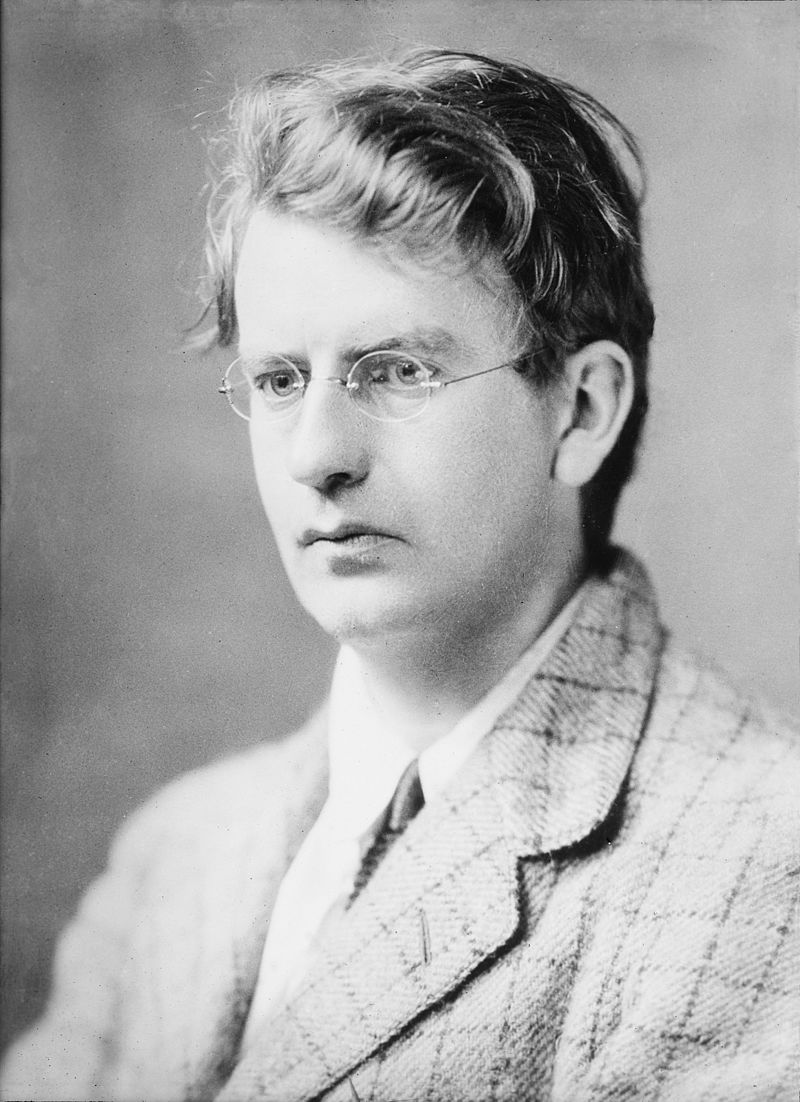
El inventor de la televisión es John Logie Baird (1888 – 1946). Este británico nacido en Helensburgh, estudió en la Escuela Técnica de Glasgow (actual Universidad de Strathclyde) y en la Universidad de Glasgow. Ya en 1922 presentó sus primeras investigaciones sobre la transmisión de imágenes a distancia.
John se inspiró en las animaciones que se hacen con los cuadernos, donde en cada hoja puedes dibujar paso a paso como se mueve algo, cuando tomas el cuaderno y pasas las hojas rápidamente, en tus ojos la imagen se queda la imagen por un tiempo, y como pasan rápidamente, no notas la diferencia y parece una sola y así tienes la ilusión que se mueve.
Él lo hacía con dos discos con agujeros cuadrados donde cada cuadro capturaba la luz y la transmitía:
La patente de John Logie Baird de un “sistema de transmisión de vistas, retratos y escenas por telegrafía o telegrafía sin hilos” fue el primero de una televisión que fun cionaba. La patente de la televisión fue presentada el 26 de julio de 1923 bajo el número GB 222604.
Se basaba en la patente alemana DE 30105 del año 1884, registrada por Paul Nipkow de Berlín. Este “telescopio eléctrico” consistía en dos discos giratorios idénticos, uno el transmisor y otro el receptor. Cada disco disponía de 24 agujeros cuadrados y las fotoceldas trans mitían la imagen.

Ver más en Curiósfera